Festivals & seasons
Dali Festival Calendar 2027: Torch Festival, Sanyue Jie & More
Dali's biggest festivals follow the Chinese lunar calendar, so their dates move every year. Here is the 2027 calendar worked out day by day, with where to go, what actually happens and the practical tips we give our own guests.

2027 at a glance
Bai festivals are set by the lunar calendar, which runs roughly three to five weeks behind the Gregorian one and shifts every year. In 2027 everything falls a little earlier than in 2026, and, usefully, Sanyue Jie no longer overlaps the 1–5 May national holiday, so it should be noticeably calmer than in 2026, when it ran 1–7 May.
| Festival | 2027 dates | Lunar date | Where |
|---|---|---|---|
| Sanyue Jie (Third Month Street Fair) | 21–27 April | 3rd month, 15th–21st | Fairground west of Dali Old Town, below Cangshan |
| Raosanling (Bai spring procession) | 28–30 May | 4th month, 23rd–25th | Villages and temples between Cangshan and Erhai |
| Wild mushroom season | mid-June – September | – | Markets and restaurants everywhere; peak July–August |
| Torch Festival (Xinghui Jie) | 28 July (Bai villages); 27 July in Yi areas | 6th month, 25th (Yi: 24th) | Villages and towns across Dali |
| Shibaoshan Song Festival | late August | end of the 7th month | Shibaoshan, Jianchuan County |
| Mid-Autumn Festival | 15 September | 8th month, 15th | Everywhere; a family holiday |
| Erhai fishing lanterns | autumn, dates set each year | – | Erhai Lake, best seen from the east shore |
The lunar dates are fixed; the Gregorian dates above are our own conversion. Village-level events can shift by a day, and the fishing-lantern season is announced by the local authorities each year, so we always confirm before we build a trip around any of them.
Sanyue Jie: 21–27 April 2027
The Third Month Street Fair is the oldest and biggest gathering of the Bai year, more than a thousand years old and once known as the Guanyin Market. It fills the fairground at the foot of Cangshan, just west of Dali Old Town, for seven days. It was listed as national intangible cultural heritage in 2008.
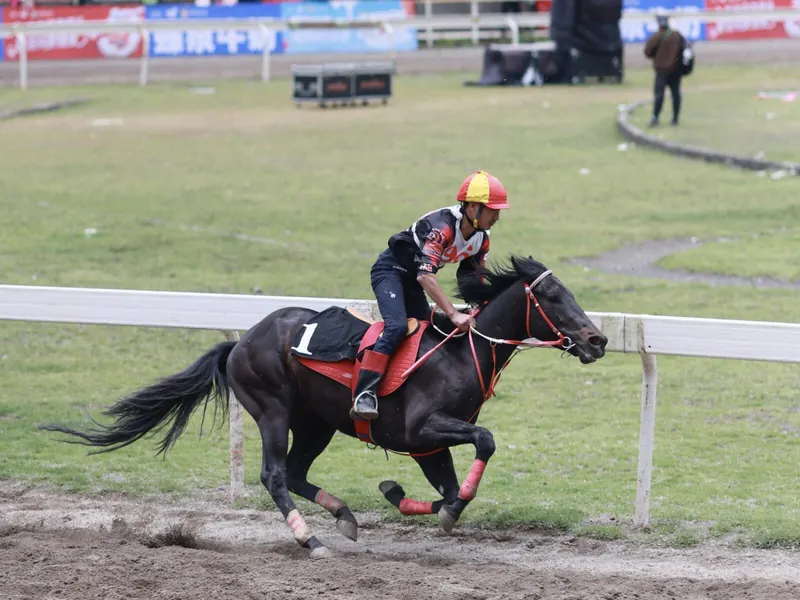
- Horse racing at the fair's racecourse is the highlight, and the reason many local families come.
- The market stretches for a couple of kilometres: herbal medicine, tea, Bai silver, tools, snacks and a lot of noise.
- Evenings bring Dian opera, flower-lantern shows and open-air dancing that anyone can join.
Raosanling: 28–30 May 2027
Raosanling, the "circling of the three spirits", is the Bai spring carnival. For three days, villagers in full costume sing, play the moon-lute and dance their way between three temples along the strip of land between Cangshan and Erhai. It is the last big release before the rice-planting season, and it feels more like a moving village party than a show.
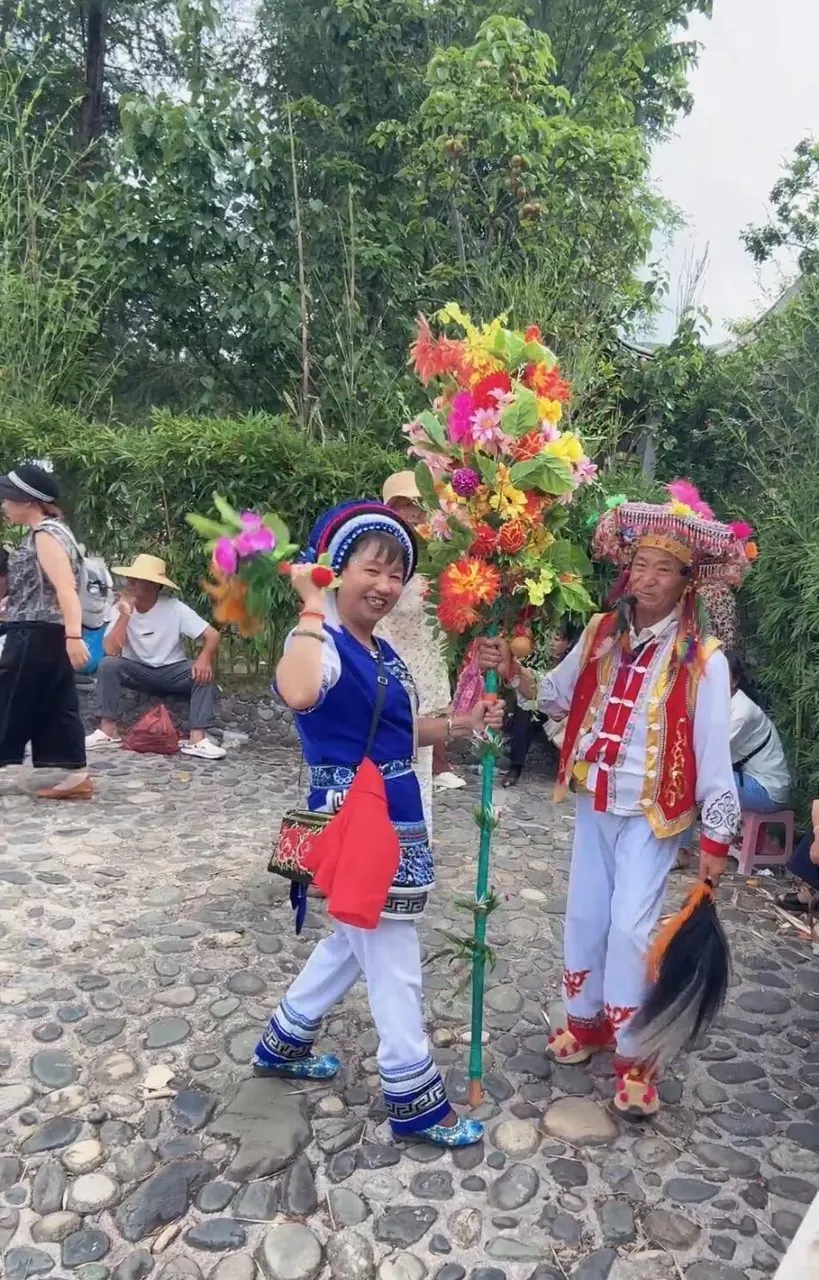
The procession follows a different route each day, so there is no single place to stand and watch. The practical approach is to pick one day, find out which village is hosting, and walk a stretch alongside. This is exactly the kind of festival where a local guide pays for themselves.
The Torch Festival: 28 July 2027
The Torch Festival is the one most visitors have heard of. Bai villages celebrate on the 25th day of the sixth lunar month, which in 2027 is Wednesday 28 July. Yi communities traditionally celebrate a day earlier, on the 24th. Each village raises a torch more than ten metres tall, dressed with paper flags, grain measures and fruit for a good harvest. After dark it is lit, and the night turns into blessings, singing, dancing and handfuls of pine resin thrown into the flames.
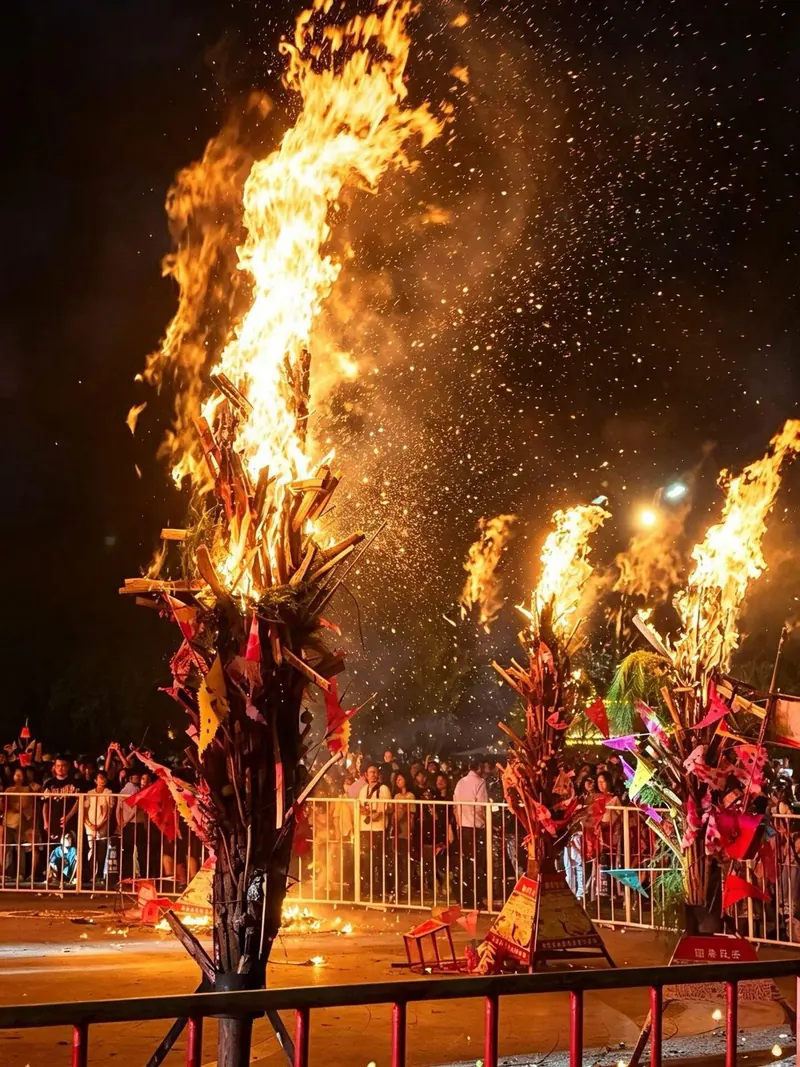
Where to watch it
- Dali Old Town and the Sanyue Jie area: the main public venue, with a giant torch, long-table feasts and mass dancing. Easiest to reach, and also the most crowded, with heavy traffic around the Old Town all evening.
- Xizhou: a big torch on the old town square, the Bai "overlord whip" dance, and processions with torches through the rice fields at dusk. Our favourite balance of atmosphere and space.
- Zhoucheng: the tie-dye village north of Xizhou. Very little commercialisation, and closer to the ritual as locals keep it.
- Weishan: an old town about an hour south that stages several days of events around the festival: fire ceremonies, torch-lit streets and a night market.
- Xiaguan, the modern city at the south end of the lake: big neighbourhood torches that are almost entirely local.

What to wear and how to stay safe
- Wear cotton, long sleeves and old clothes. Synthetic and chiffon fabrics melt when a spark lands on them, and ash marks pale clothing.
- Stay upwind of the resin. When pine resin powder is tossed at a torch it flares with a whoosh. It is meant as a blessing, but keep your face and hair well back.
- Jumping over the bonfire is a traditional blessing; only do it if you are confident, and never in synthetic clothing.
- Don't light your own torch inside Dali Old Town's protected core; open fire is banned there.
- Plan for road closures. Main venues have temporary traffic control, so expect to walk the last stretch.
- Ignore the "smear black" trend. Videos of people rubbing soot on strangers' faces are an internet invention, not a Bai or Yi custom, and locals find it disrespectful.
Erhai fishing lanterns: autumn 2027
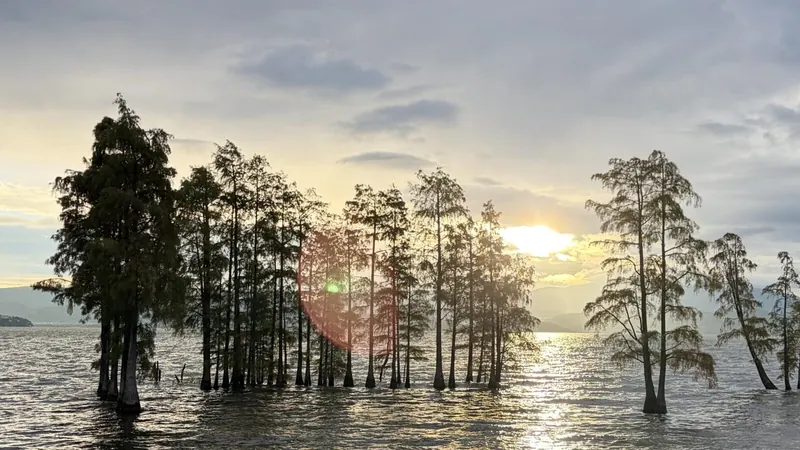
The "galaxy" of lights on Erhai at night is not a festival at all. It is a real ecological fishing programme: during set control periods, boats go out at night to remove small invasive fish species, and each one carries a lamp. Thousands of them spread across the lake.
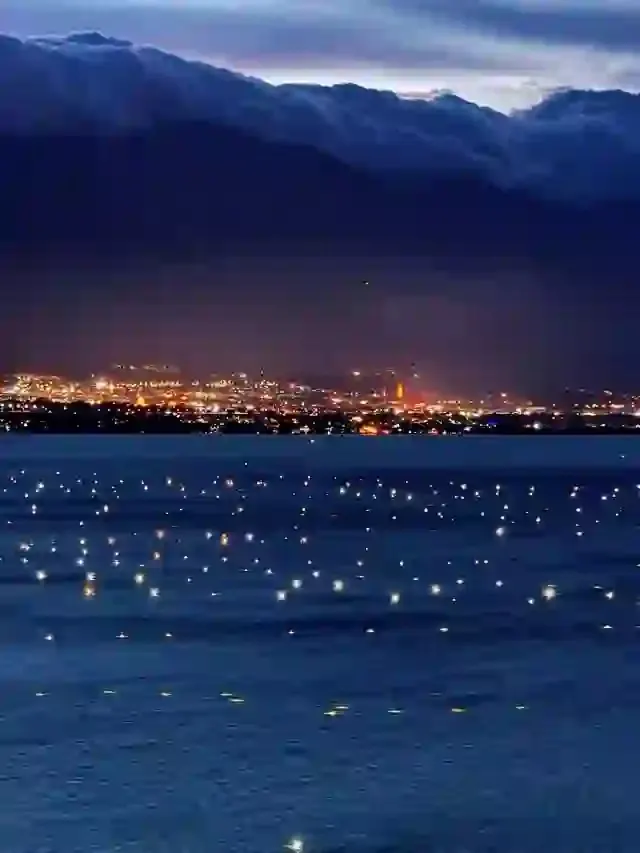
In 2026 the first control period ran from 15 September to 8 October, with further periods in October and late November; boats work from 7 pm until morning. The 2027 schedule will be announced by the lake authorities, and they can pause or end it early, so treat any date as provisional until it is published. The best light is blue hour, roughly 7 to 8 pm. Good viewpoints are on the east shore and the hills: Wenbi Village in Haidong, Yunxiangshan and Luwoshan, plus Tuanshan Park in the south.
All year: village markets and mushroom season
Not everything in Dali needs a festival. Every township around the lake holds its own market on fixed days. They follow the lunar and zodiac cycle rather than the day of the week, so the dates shift every month. Xizhou, Shaxi, Yinqiao, Shuanglang and Wase all have their own. Some, like Taiyi, are over by noon.
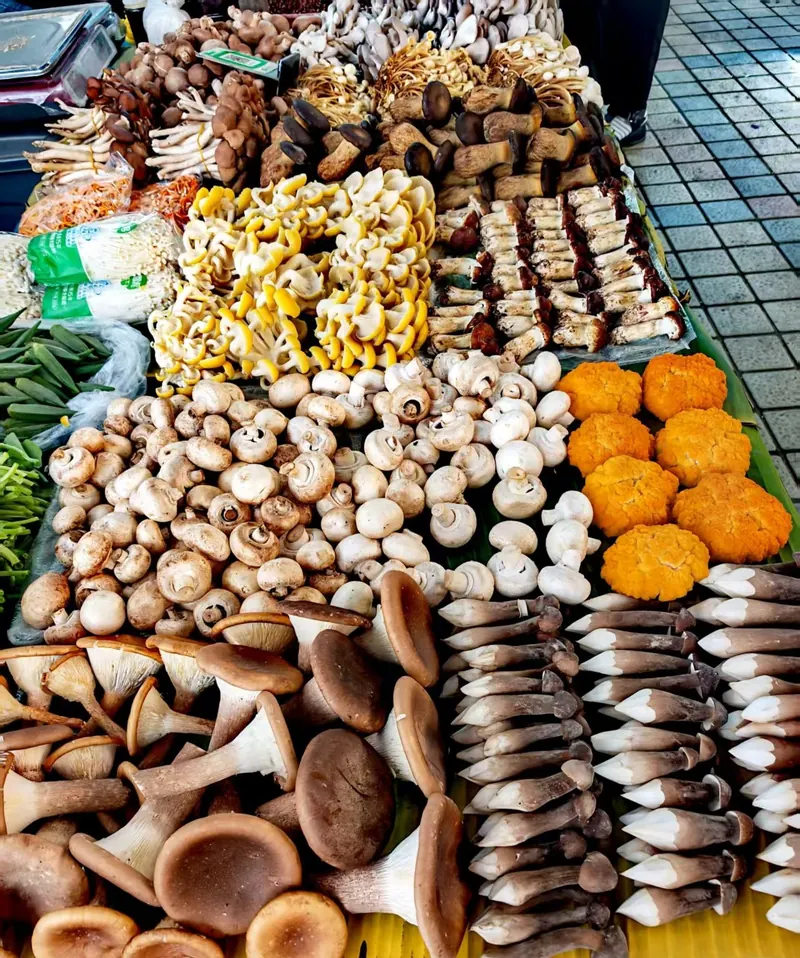
From mid-June to September, the rainy season brings wild mushrooms into every market and restaurant. It overlaps neatly with the Torch Festival. See our guide to Dali's wild mushroom season for what to eat and how to eat it safely.
Dates to avoid in 2027
Chinese national holidays are the most crowded and most expensive time to be in Dali, and they matter more than any festival when you plan:
- Spring Festival: Chinese New Year falls on 6 February 2027; the following week is extremely busy.
- Labour Day: 1–5 May.
- National Day "Golden Week": 1–7 October.
The good news for 2027: Sanyue Jie, Raosanling and the Torch Festival all fall outside these holidays.
Good to ask
Questions about Dali's festivals
Short answers to what travellers ask us most. Anything else? Send us a question and we reply in English within 2 days, or see the full Dali travel FAQ.
When is the Dali Torch Festival in 2027?
Wednesday 28 July 2027 in Bai villages around Dali (the 25th day of the sixth lunar month). Yi communities traditionally celebrate a day earlier, on 27 July. The main celebrations happen after dark.
Which Dali festival is best for a first visit?
The Torch Festival is the most spectacular; Sanyue Jie is the easiest to enjoy. Sanyue Jie runs for a whole week at one fairground, so it fits any itinerary. Raosanling is the most authentic, but it moves from village to village and is best with a guide.
Can I see the Erhai fishing lanterns in 2027?
Very likely in autumn, but the dates aren't fixed yet. The lanterns appear during official fish-control periods, which in 2026 began on 15 September. The 2027 schedule is announced each year and can change at short notice, so we confirm it before your trip.
Why do the festival dates change every year?
Bai festivals follow the Chinese lunar calendar, which doesn't line up with the Gregorian one. The lunar date stays the same; the Western date moves by up to a month from one year to the next.