Trip planning
Dali vs Lijiang: Which to Choose for Your Yunnan Trip
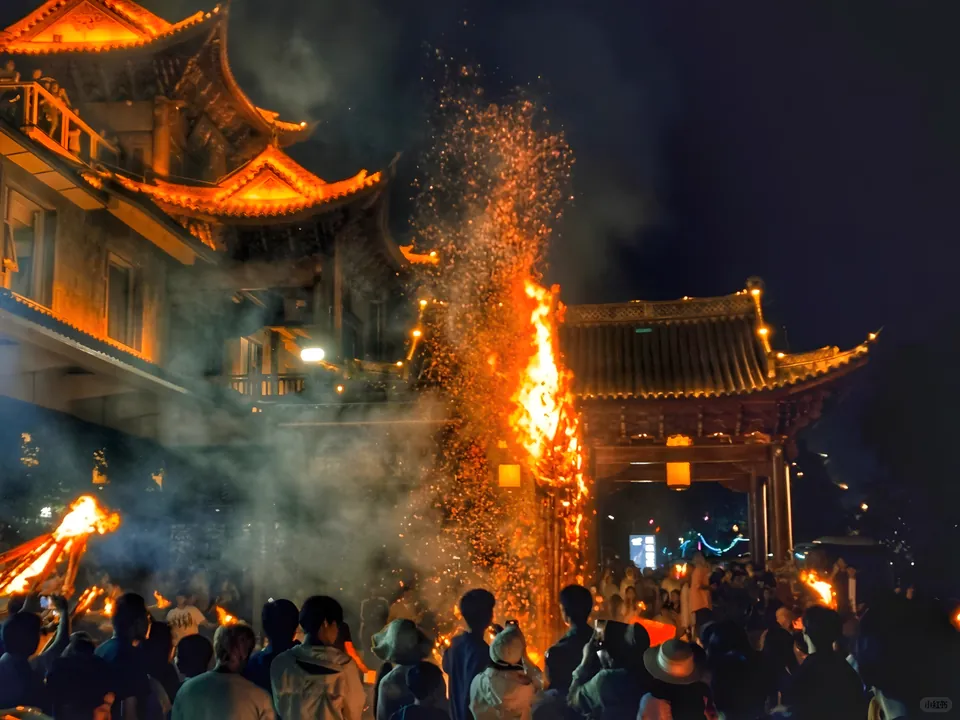
Dali and Lijiang are less than two hours apart by train and constantly compared, yet they are very different places. We live in Dali, so we are not neutral, but here is an honest comparison to help you choose, or plan both.

The short answer
Choose Dali for a slower trip built around a lake, villages and everyday Bai life. Choose Lijiang for a snow mountain and a picture-perfect old town. If you have six days or more, do both: Dali first, then Lijiang.
The two are often sold as a pair, and travellers who have been to only one tend to assume the other is "more of the same". It isn't. Dali is a lake valley where people live, farm and increasingly settle long-term. Lijiang is a showpiece old town at the foot of a 5,596-metre mountain.
Side by side
| Dali | Lijiang | |
|---|---|---|
| Signature sight | Erhai Lake and the Cangshan range | Jade Dragon Snow Mountain |
| Old towns | Dali Old Town (busy, commercial); Xizhou and Shuanglang (quieter) | Lijiang Old Town (UNESCO World Heritage); Shuhe and Baisha (quieter) |
| Altitude | About 2,000 m; Cangshan's highest peak is 4,122 m | About 2,400 m in town; Jade Dragon Snow Mountain peaks at 5,596 m, and its glacier-park boardwalk reaches about 4,680 m |
| Cost | Good value: hotels, food and private guides cost noticeably less | Pricier: tourism is the town's main business, so hotels, tours and tickets cost more |
| Main culture | Bai | Naxi |
| Pace | Slow: cycling, villages, markets, cafés | Sight-led: the mountain, the old town, night views |
| From Kunming | About 2 hours by high-speed train | About 3–4 hours by train |
| Best for | Slow travel, families, food, culture, longer stays | Mountain scenery, classic old-town photos |
Dali to Lijiang is a short train ride of under two hours, so combining them is easy.
Old towns: Lijiang's are prettier, Dali's are more alive
Lijiang Old Town is the more beautiful of the two at first sight: canals, cobbles, carved wooden houses and the mountain on the skyline. It was listed as a UNESCO World Heritage Site in 1997, and it is almost entirely given over to visitors. Most original residents have moved out. Its satellite towns of Shuhe and Baisha are calmer and well worth the short trip.
Dali Old Town is, honestly, commercial too: pedestrian streets of shops, touts handing out tea samples, and evening crowds. The difference is what lies outside the walls. A few kilometres away, Xizhou is a working Bai town with merchant courtyard houses, rice fields and a morning market. Shuanglang on the east shore looks straight across the water to Cangshan.
Scenery: mountain drama vs lake life
Lijiang has the headline view. Jade Dragon Snow Mountain, with its glacier park, Blue Moon Valley and spruce meadows, is spectacular on a clear day. But it depends heavily on the weather and on booking tickets in advance. Travellers who arrive to cloud often leave having seen very little.
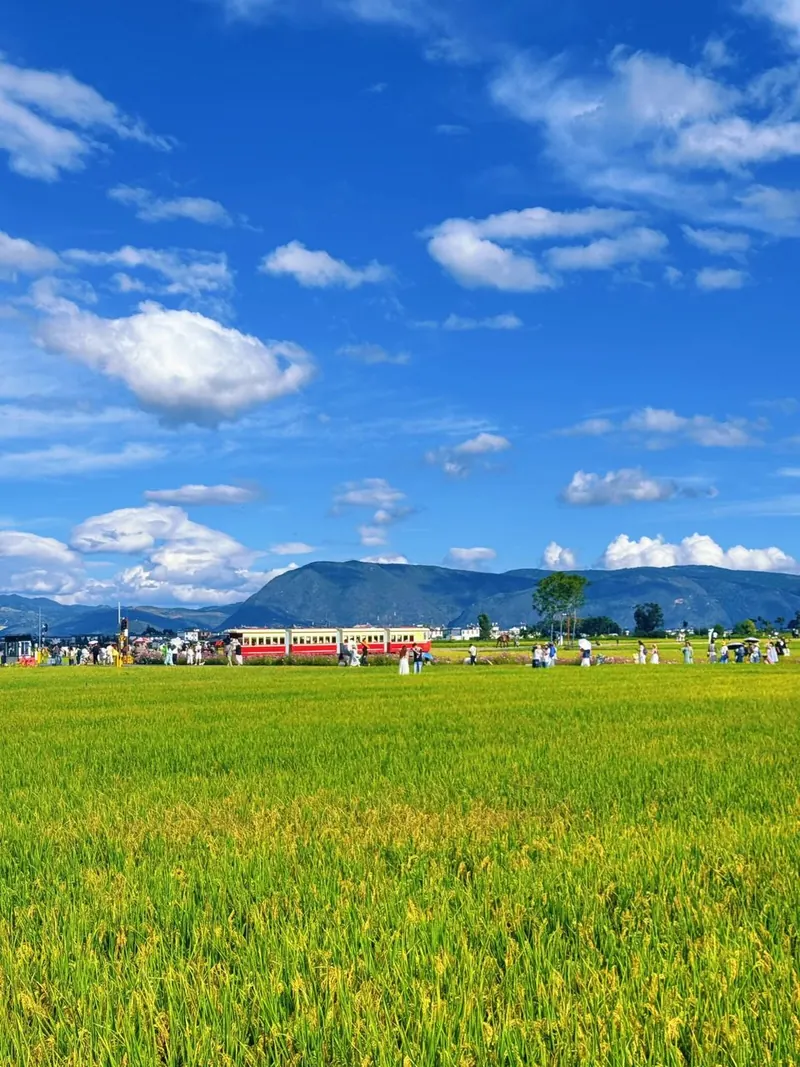
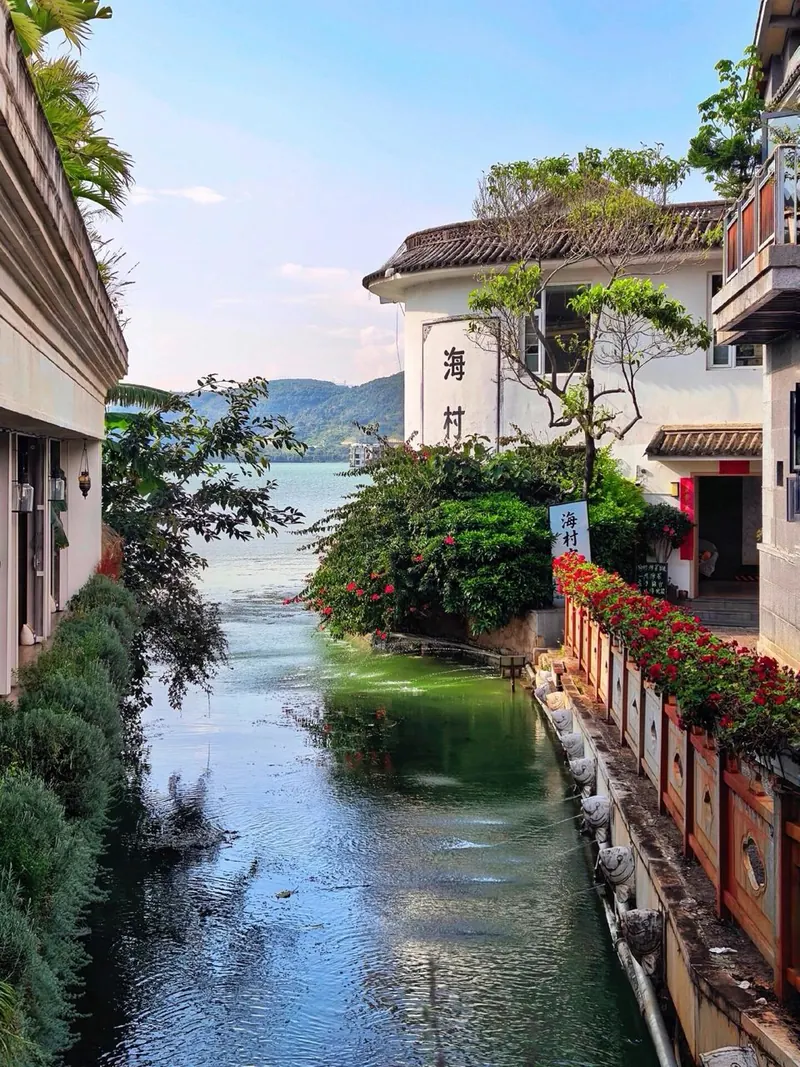
Dali's scenery is gentler and more lived-in: a 40-kilometre lake with Bai villages on its shores, the Cangshan range rising behind, and big skies. It doesn't hit you in one viewpoint; it grows on you as you cycle the shore, walk a mountain path or watch the sun set from Shuanglang.
Food
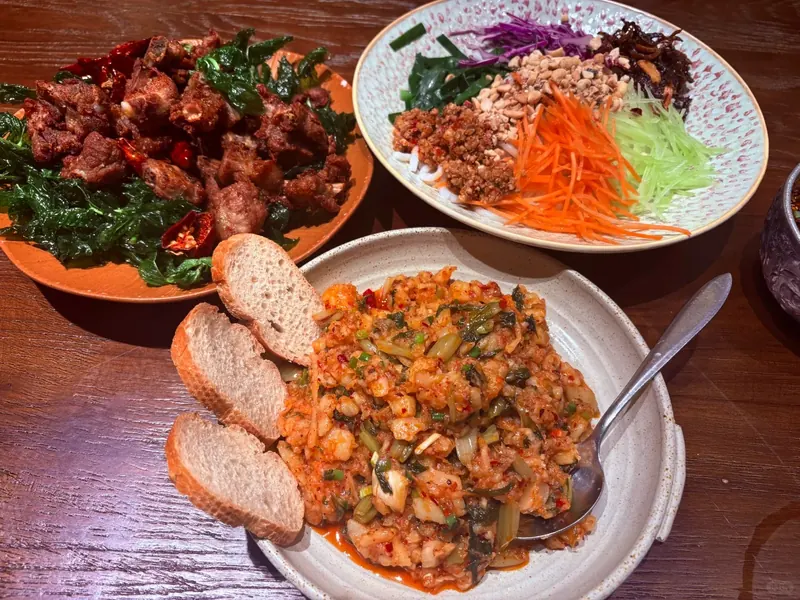
Both towns eat well, and both are famous for wild mushrooms in the rainy season. Lijiang's Naxi kitchen has its own specialities, but we think Dali has the edge, and many travellers who do both agree. You get Bai home cooking, Erhai fish, rushan (fried milk fan), Xizhou baba flatbread, and an unusually good café and bakery scene for a small Chinese city.
Altitude and comfort
At about 2,000 metres, Dali is comfortable for almost everyone. Lijiang town is a little higher, at about 2,400 metres, with colder nights. Jade Dragon Snow Mountain itself rises to 5,596 metres. The summit itself is off-limits, but the cable car to the glacier park and its boardwalk take you to about 4,680 metres. That is a real consideration for young children, older travellers and anyone sensitive to altitude.
It is also why we suggest doing Dali first if you visit both: you step up in altitude gradually.
Cost: Lijiang is the more expensive trip
Tourism is Lijiang's main business, and prices reflect it. Hotels in and around the old town, private drivers, guided tours and meals in the tourist areas all tend to cost more than their equivalents in Dali. The Jade Dragon Snow Mountain day adds up too: park entry, the shuttle bus and the cable car are paid separately, and in busy periods you may need to book through an agency, which costs more again.
Dali is a working prefecture city with farming villages, a big local population and many long-term residents, so everyday prices stay closer to local levels. The same budget usually buys you a nicer guesthouse, better meals and more private-guide time in Dali than in Lijiang.
Crowds and when to go
Both get extremely busy over Chinese national holidays: Spring Festival, 1–5 May and 1–7 October. Avoid those dates if you can. Outside the holidays, Dali spreads its visitors around a whole lake, while Lijiang concentrates them in the old town and on the mountain. Spring (March–May) and autumn (September–November) are the best seasons for both.
Doing both: how to split your days
- 5 days: 3 days in Dali, 2 in Lijiang, if the mountain is a must.
- 7 days: 1 in Kunming, 3 in Dali, 3 in Lijiang (one of them for the mountain, with a spare day for weather).
- 10 days: add Shaxi, an old Tea Horse Road town between the two, or extend to Shangri-La.
Our Classic Erhai Loop covers Dali's essentials in three days and ends with a drop-off at your hotel, the airport or anywhere in Dali city, including the train station for Lijiang.
Good to ask
Questions about Dali and Lijiang
Short answers to what travellers ask us most. Anything else? Send us a question and we reply in English within 2 days, or see the full Dali travel FAQ.
Is Dali or Lijiang better for families?
Dali, for most families. It is lower, the days are easier to keep gentle, and there is plenty for children: lake beaches, flower-bike cycling, farms and markets. Lijiang's highlight, the snow mountain, involves high altitude and long queues.
Which is more touristy?
Both old towns are heavily commercial. The difference is that Dali has quieter, lived-in towns and villages within a few kilometres, such as Xizhou, Zhoucheng and Shuanglang, while Lijiang's quieter options, Shuhe and Baisha, are smaller.
How many days do I need for Dali and Lijiang?
Three days covers Dali's essentials and two to three covers Lijiang, so six days is a comfortable minimum for both, plus a day in Kunming if you are arriving there.
How do I get from Dali to Lijiang?
By train: the ride is under two hours. Book through the official 12306 railway app or a booking site, and avoid unlicensed shared cars at the stations.