Food & seasons
Dali Wild Mushroom Season: When, Where & How to Eat Safely
Every rainy season, Yunnan goes mushroom-mad. Markets overflow, restaurants put mushroom hotpot on every table and locals talk about "mushroom freedom". It is one of the best reasons to visit Dali in summer, as long as you know the rules.

When is mushroom season in Dali?
From about mid-June to September, peaking in July and August. The season starts with the summer rains. Early-season mushrooms are scarce and expensive; by July, supply floods in and prices drop sharply at the markets. By late September it tails off, although dried mushrooms and a few late species last into autumn.
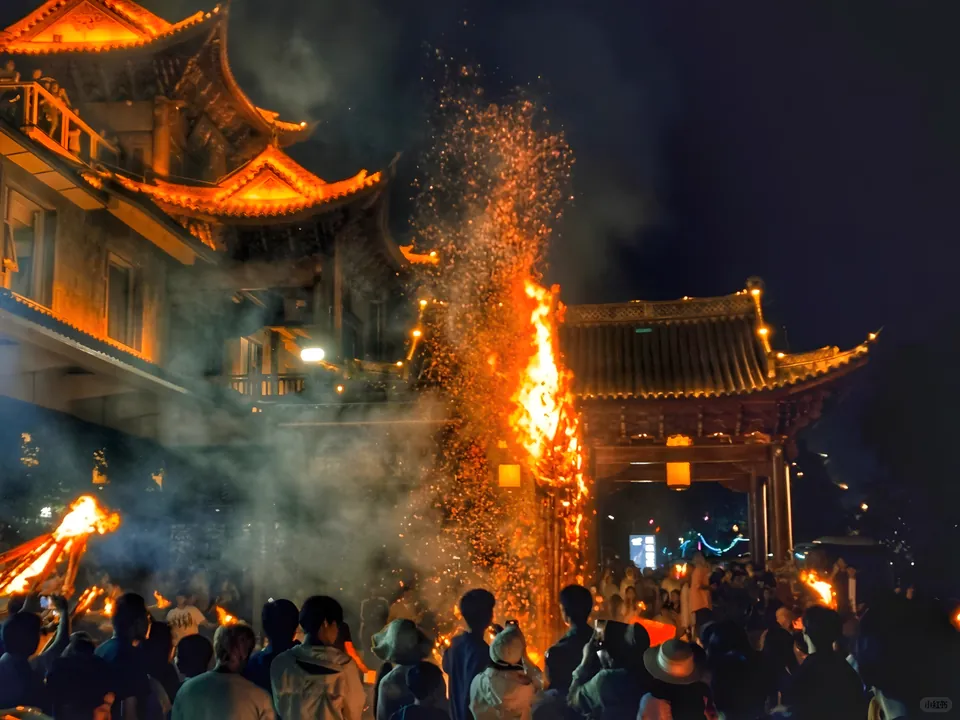
The peak coincides with the Torch Festival (28 July in 2027), which makes late July a rich time to visit. Expect warm days, afternoon showers and green hills.
Mushrooms worth trying
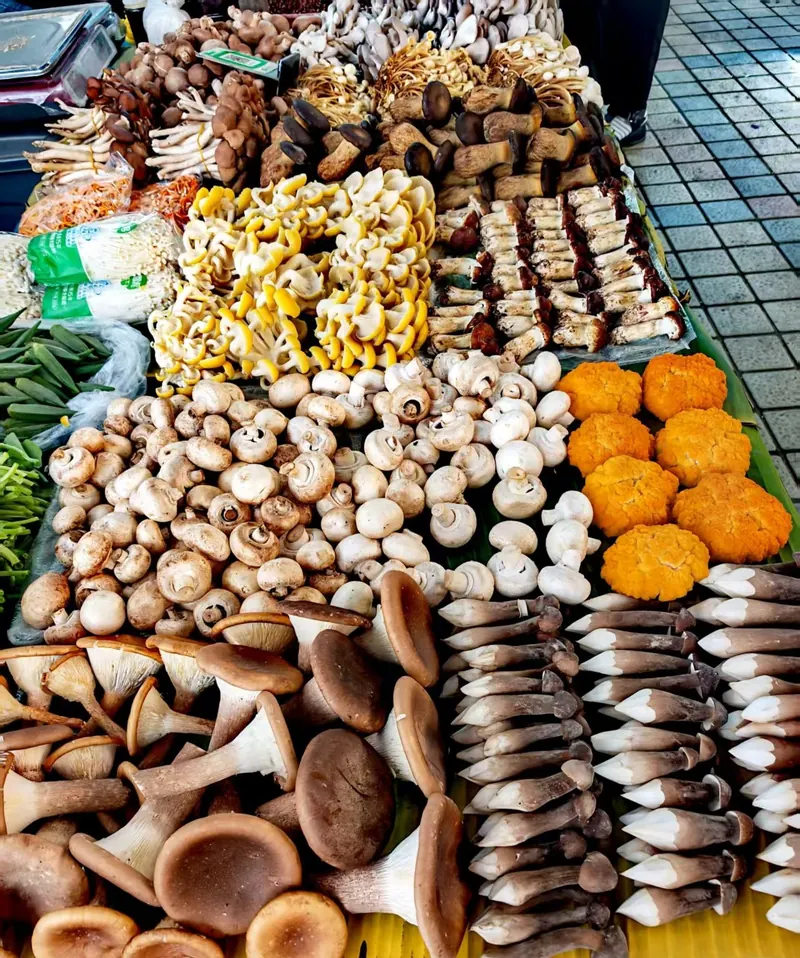
Yunnan has hundreds of edible species. These are the ones you'll see on menus most often:
- Jizong (termite mushroom): delicate and sweet, often simply stir-fried or made into chilli oil. One of the most prized.
- Matsutake (songrong): fragrant and expensive, eaten sliced raw or in chicken soup.
- Jianshouqing (bruising bolete): it turns blue where you touch it, and it is the most famous and the most dangerous if undercooked. Order it only in a restaurant, stir-fried hard.
- Ganba: dark and intensely savoury; it takes forever to clean, so it is usually fried with chilli or into fried rice.
- Green russula (qingtou): mild and meaty, a staple stir-fry.
- Chanterelles, porcini, red russula and bamboo fungus turn up in soups and hotpots.
Mushroom hotpot, and why you wait
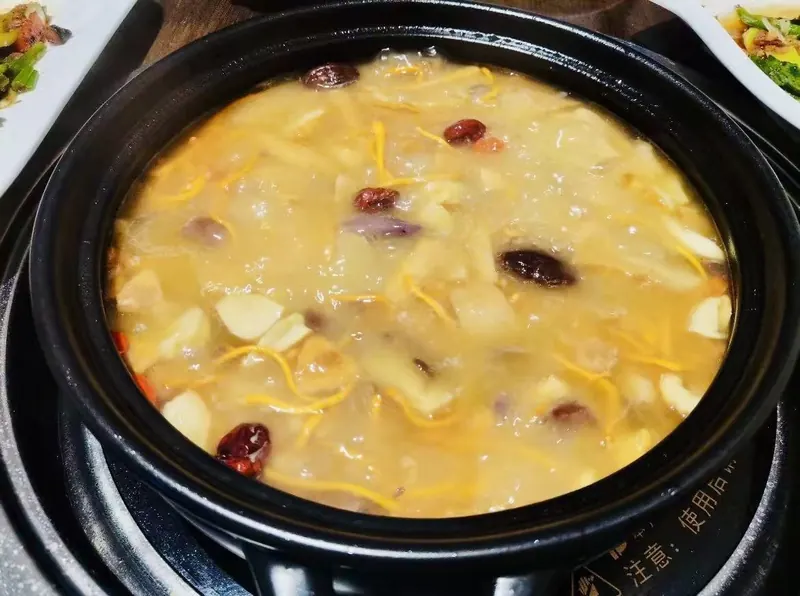
The classic way to eat wild mushrooms in Dali is mushroom hotpot: a chicken or bone broth into which a platter of mixed mushrooms is tipped and boiled. Many places now serve it half hotpot, half grill.
Where to eat wild mushrooms: our favourite
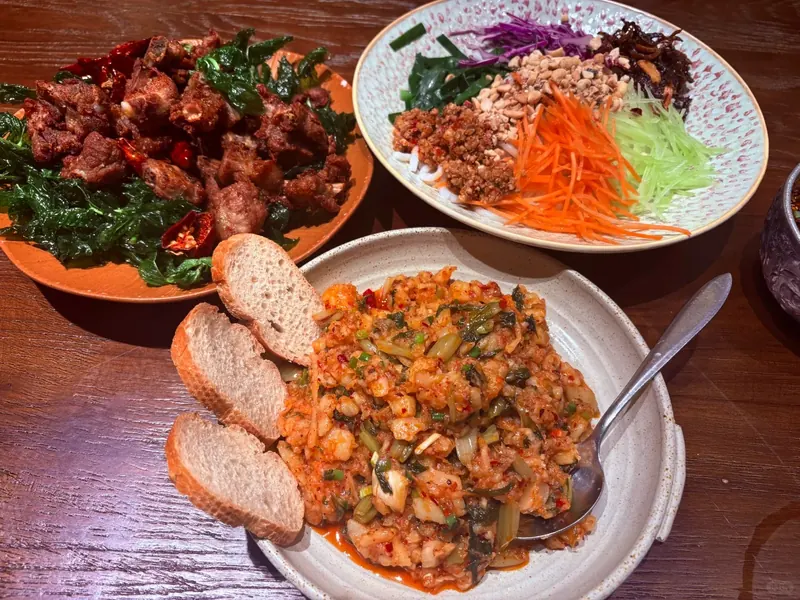
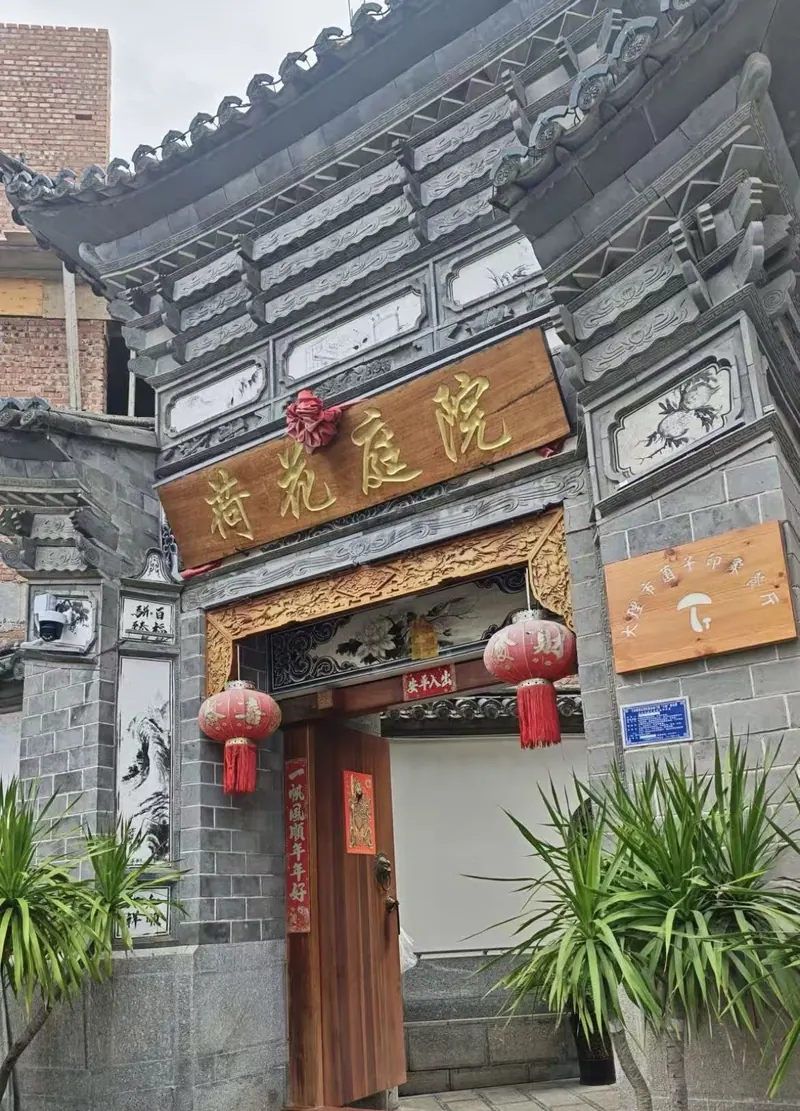
Mushroom restaurants open all over Dali in summer, and quality varies a lot. When guests ask us where to go, we send them to Hehua Courtyard Mushroom Impression (Hehua Tingyuan), a local mushroom restaurant that has been serving the same dishes for many years, in a traditional Bai courtyard in Hehua Village.
- You choose your mushrooms. Fresh wild mushrooms are laid out by type; pick the kinds you want to try, and the kitchen cooks them for your table.
- A full farmhouse meal. The mushrooms come with a slow-cooked chicken soup hotpot, plus pork and Yunnan ham.
- About US$15–20 per person (roughly ¥100–140), depending on how many and which mushrooms you choose. Matsutake and termite mushrooms push the bill up.
- Address: No. 4, Group 3, Hehua Village, Dali City. To show your taxi driver: 荷花庭院菌子印象餐厅,大理市荷花村三组4号
Where to see and buy them
- Taixing Market in Dali city is the area's biggest and most regulated wild-mushroom market. It opens from about 8 am to 7 pm and is freshest before 10 am, cheaper just before closing. There's a courier office at the gate for shipping within China.
- The evening street market by Dianfang Bridge: an informal market from late afternoon, with lower prices and huge variety, but no oversight. Check carefully for insect damage.
- The wild-mushroom wholesale market near the North Gate of Dali Old Town, and the township markets around the lake on market days.
Even if you're not cooking, a morning walk through a mushroom market is one of the great Dali experiences: the colours, the haggling and the sheer variety.
Eating wild mushrooms safely
Every summer, Yunnan's hospitals treat people for mushroom poisoning, usually from undercooked mushrooms or from someone picking species they didn't know. A few simple rules keep you safe:
- Eat them in busy, established restaurants that cook mushrooms all season. Don't buy raw mushrooms to cook yourself in a guesthouse kitchen.
- Cook thoroughly. Undercooked jianshouqing causes hallucinations, a well-known local joke, but not a fun experience.
- Don't mix many kinds at once if you're new to them, and skip alcohol with your mushroom meal; locals avoid it.
- Never pick and eat wild mushrooms yourself. Several deadly species look like edible ones. Forage only with an experienced local guide.
- Don't eat leftovers of cooked wild mushrooms the next day.
- If you feel unwell (nausea, dizziness, blurred or strange vision), go to a hospital straight away and tell them what you ate.
Foraging with a guide
For the full experience, spend a morning in the pine forests on the slopes of Cangshan with a local who has picked mushrooms all their life. You learn to spot the species, see where they grow and why some are dangerous, then eat the day's finds at a farmhouse lunch, cooked properly. Our wild-mushroom foraging day runs from mid-June to September and can be added to any tour.
Good to ask
Questions about Dali's mushroom season
Short answers to what travellers ask us most. Anything else? Send us a question and we reply in English within 2 days, or see the full Dali travel FAQ.
When is wild mushroom season in Dali?
Mid-June to September, with the peak in July and August, during the summer rainy season. Prices are highest at the start and fall sharply by July.
Where is the best place to eat wild mushrooms in Dali?
A long-running local mushroom restaurant, not a tourist-street hotpot. Our favourite is Hehua Courtyard Mushroom Impression in Hehua Village, where you choose your own mushrooms and they are cooked with chicken soup, pork and ham, for about US$15–20 per person.
Is it safe to eat wild mushrooms in Yunnan?
Yes, in good restaurants that cook them thoroughly. Poisonings usually come from undercooking or self-picked mushrooms. Wait until staff say the hotpot is ready, avoid alcohol with the meal and never eat mushrooms you picked yourself without an expert.
Can tourists go mushroom foraging?
Yes, with an experienced local guide. Our foraging day goes into the pine forests on Cangshan in season, and everything you find is checked and cooked for lunch at a farmhouse.
Can I take wild mushrooms home?
Dried mushrooms are easy to carry and sold everywhere. Fresh mushrooms can be shipped by courier within China from the big markets. Taking fresh produce abroad is usually restricted by customs, so check your home country's rules.